
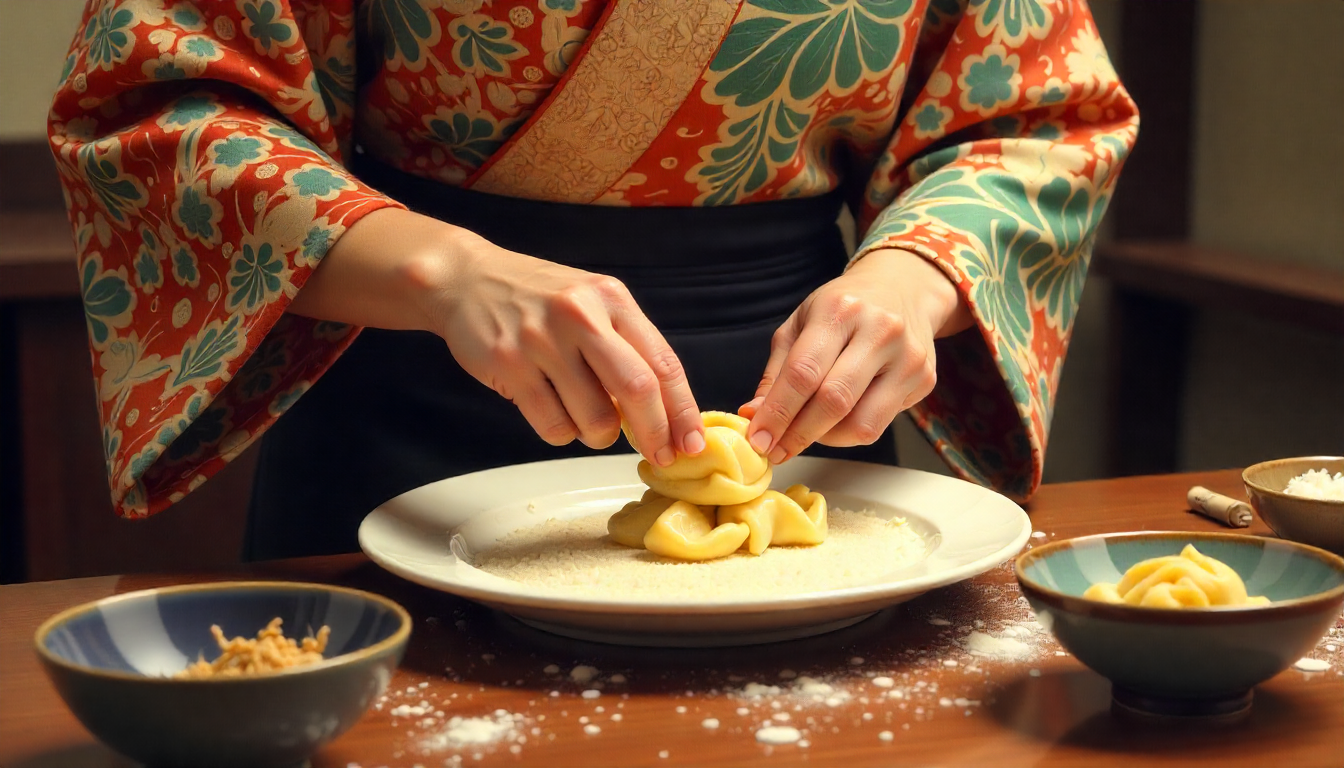
The tortellinatrice is more than a pasta machine—it is a bridge between centuries-old Italian culinary tradition and modern food production technology. Designed specifically to produce tortellini, this specialized machine automates one of the most intricate pasta-making processes while preserving the authentic look, texture, and flavor that define this iconic Italian dish.
Tortellini are known for their delicate shape, precise folds, and carefully balanced filling-to-dough ratio. Reproducing these characteristics consistently by hand requires significant time, skill, and experience. As demand for authentic Italian pasta has grown worldwide, it has become an essential tool for home cooks, artisan pasta makers, restaurants, and industrial manufacturers alike.
Origins of Tortellini and the Need for the Tortellinatrice
Tortellini originate from the Emilia-Romagna region of Italy, particularly the cities of Bologna and Modena. Their history is intertwined with folklore, craftsmanship, and family tradition. One famous legend claims that tortellini were inspired by the navel of Venus, symbolizing beauty and perfection.
Historically, tortellini were handmade during special occasions such as weddings, holidays, and religious celebrations. Families passed down recipes through generations, each adapting fillings and dough techniques according to regional ingredients and personal preferences. Making tortellini by hand was a slow, labor-intensive process that required patience and skill.
As Italian cuisine gained global popularity and consumer demand increased, handmade production alone became insufficient. Restaurants, pasta shops, and manufacturers needed a way to scale production without compromising authenticity. This necessity led to the development of the tortellinatrice—an innovation designed to replicate traditional methods with mechanical precision.
What Is a Tortellinatrice?
It is a specialized pasta-forming machine engineered to produce tortellini with uniform size, shape, and filling distribution. Unlike general pasta machines that roll or extrude dough, the it performs multiple tasks simultaneously: inserting filling, folding the dough, shaping the pasta, sealing edges, and cutting individual pieces.
What sets it apart is its ability to mimic the visual and structural characteristics of handmade tortellini. Properly calibrated machines create pasta that closely resembles artisanal products, making them suitable for both traditional and large-scale production.
By automating the most delicate aspects of tortellini making, the machine allows producers to focus on ingredient quality, recipe development, and culinary creativity.
Main Components of a Tortellinatrice
Dough Handling System
The dough handling system feeds sheets of pasta dough into the machine at a controlled thickness. Adjustable rollers allow operators to fine-tune dough consistency, ensuring flexibility without tearing. Uniform dough thickness is essential for proper folding and sealing.
Filling System
The filling unit dispenses precise portions of filling into the dough. Advanced systems maintain consistent pressure and temperature to preserve texture and freshness. Accurate portion control ensures balanced flavor and prevents leakage during cooking.
Forming and Folding Mechanism
This component shapes the dough around the filling, creating the signature tortellini ring. Rollers, molds, or forming wheels replicate traditional folding techniques while maintaining speed and consistency.
Cutting and Separation Tools
Cutting tools separate individual tortellini cleanly and evenly. Precision cutting minimizes dough waste and maintains a uniform appearance across batches.
Output and Transfer System
Finished tortellini are transferred via trays or conveyor belts for further processing, such as drying, freezing, or packaging. Industrial models often integrate seamlessly into larger production lines.
Types of Tortellinatrice Machines
Manual
Manual tortellinatrice machines are compact, hand-operated devices ideal for home kitchens and small restaurants. They provide greater hands-on control and preserve a traditional workflow but require more time and effort.
Semi-Automatic Tortellinatrice
Semi-automatic models combine manual input with automated filling and folding. These machines are popular among artisan pasta shops seeking higher output while maintaining customization and quality control.
Fully Automatic
Fully automatic machines are designed for industrial use. Capable of continuous, high-volume production, they often include digital controls, multi-lane output, and integration with packaging and freezing systems.
How a Tortellinatrice Works: Step-by-Step Process
The process begins with dough preparation using flour, eggs, water, and salt. After resting, the dough is fed into the machine, where rollers adjust thickness.
The filling unit deposits measured portions onto the dough. The folding mechanism shapes and seals the tortellini, and cutting tools separate each piece. Finished tortellini are then transferred for cooking, storage, or packaging.
This streamlined process ensures efficiency while preserving the delicate structure of traditional tortellini.
Production Capacity and Performance
Production capacity varies widely depending on machine type. Manual models may produce a few hundred tortellini per hour, while industrial machines can exceed tens of thousands.
Consistency is a major advantage. Uniform shape and size improve cooking performance and presentation, particularly important in commercial and retail environments.
Common Fillings Used in a Tortellinatrice
It machines support a wide range of fillings, including meat-based combinations such as pork and prosciutto, cheese blends like ricotta and Parmigiano Reggiano, vegetable options such as spinach or pumpkin, and specialty fillings like truffle or vegan mixtures.
Proper filling texture and moisture control are essential to prevent leakage and ensure even cooking.
Benefits of Using
The tortellinatrice significantly increases production efficiency, reduces labor costs, and improves hygiene. Stainless steel construction and food-grade components make cleaning easier and ensure compliance with food safety standards.
Consistency in shape, size, and filling enhances product quality, while scalability allows businesses to grow without sacrificing authenticity.
Tortellinatrice in Different Settings
Home Kitchens
Compact models allow enthusiasts to recreate authentic tortellini at home, bringing restaurant-quality pasta into everyday cooking.
Artisan Pasta Shops
Semi-automatic machines enable small producers to scale output while maintaining handcrafted appeal.
Restaurants and Commercial Kitchens
Restaurants rely on tortellinatrice machines for speed and consistency during service, ensuring reliable quality across dishes.
Industrial Pasta Manufacturing
Large manufacturers use fully automated systems to supply supermarkets and international markets with consistent, high-quality tortellini.
Choosing the Right
Key considerations include production volume, available space, automation level, budget, energy efficiency, and after-sales support. Reputable manufacturers offer warranties, spare parts, and technical assistance, which are critical for long-term reliability.
Leading Tortellini Manufacturers
Well-known manufacturers such as La Monferrina, Bottene, and Pama Roma are recognized for quality engineering and reliability. European manufacturers, in particular, are known for preserving traditional pasta-making principles.
Maintenance and Hygiene Practices
Regular cleaning, lubrication, and inspection are essential for optimal performance. Some industrial machines feature Clean-In-Place systems that simplify sanitation while maintaining compliance with food safety regulations.
Common Challenges and Troubleshooting
Issues such as dough tearing, filling leakage, or shape inconsistency are often resolved through proper calibration, moisture control, and preventive maintenance. Training operators reduces downtime and waste.
Innovation and Technology in Modern Tortellinatrice Machines
Modern machines incorporate digital controls, adjustable speeds, energy-efficient motors, and compact modular designs. Emerging technologies include smart sensors and automated recipe management systems.
Environmental and Economic Impact
Energy-efficient designs and reduced waste make modern machines more sustainable. Economically, they support local businesses, create skilled jobs, and promote global distribution of Italian pasta products.
The Future Vision
Future developments may include AI-driven adjustments, predictive maintenance, and enhanced customization. Sustainability and digital integration will continue shaping machine design.
Conclusion
The tortellinatrice represents the perfect balance between heritage and innovation. Whether used at home, in artisan shops, or in industrial factories, it enables the production of authentic, high-quality tortellini while meeting modern efficiency demands.
By combining traditional craftsmanship with technological precision, ensures that one of Italy’s most beloved pasta traditions continues to thrive worldwide.