
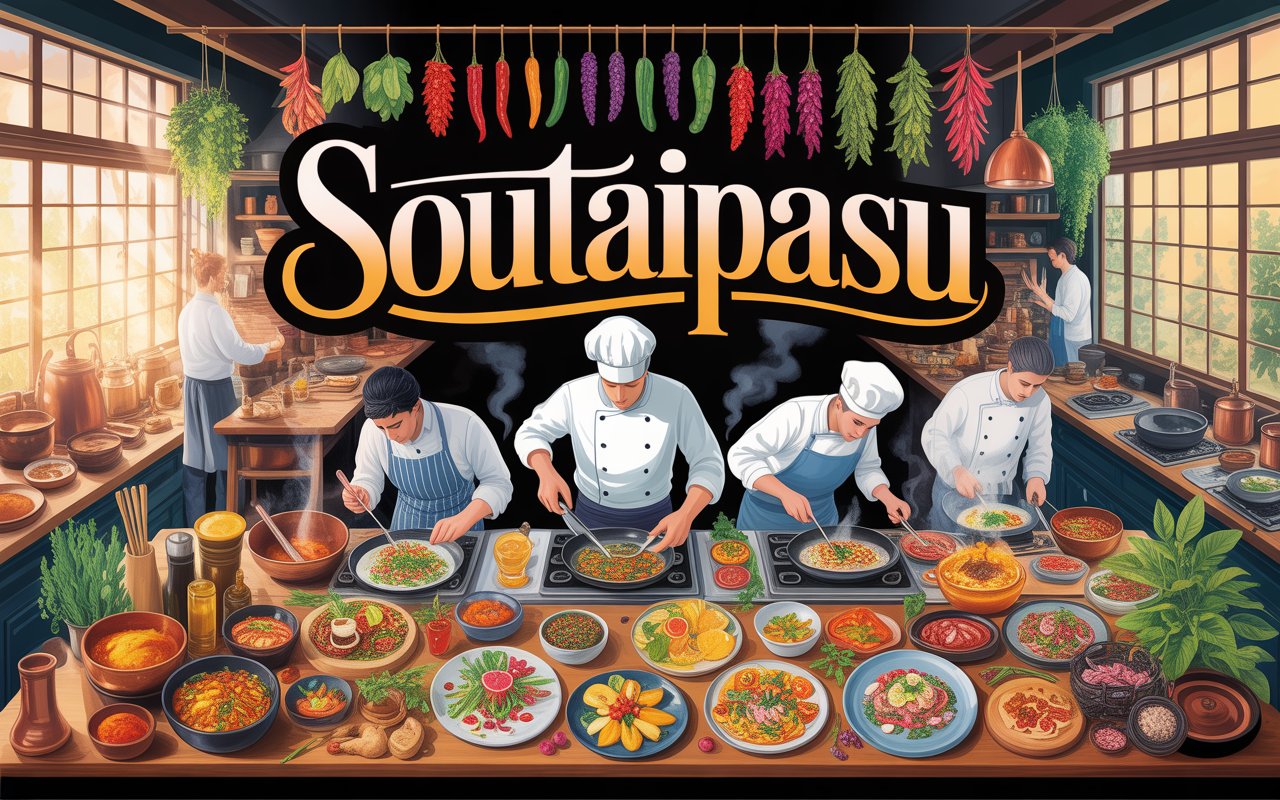
Soutaipasu cuisine is far more than just food—it is a living testament to heritage, culture, and culinary artistry. Its roots stretch deep into history, its flavors are a celebration of local ingredients, and its techniques reflect generations of patience, balance, and creativity. Unlike trend-driven cuisines chasing fleeting popularity, it has quietly maintained its authenticity while evolving to meet contemporary tastes. From aromatic spices and fresh vegetables to carefully prepared proteins and fermented elements, every component of it tells a story.
Whether you are a seasoned foodie seeking global flavors or someone curious about traditional culinary practices, exploring it offers a remarkable journey through taste, history, and culture. This article delves into the origins, essential ingredients, signature dishes, street food, modern adaptations, cooking methods, health benefits, and cultural significance of its cuisine. By the end, you will understand why this cuisine continues to captivate food lovers worldwide.
Historical Background of Soutaipasu
It traces its origins to regions of Japan where the climate shaped both lifestyle and cuisine. In snowy areas like Hokkaido and Niigata, long, harsh winters demanded hearty, nourishing meals capable of providing warmth and sustenance. It was here that early versions of it began, often centered around rice flour noodles, seasonal vegetables, and modest amounts of protein sourced from rivers, seas, or local farms.
The geography of these regions played a significant role in the cuisine’s evolution. Proximity to the sea provided abundant seafood, while fertile valleys offered vegetables suited to cold climates. These natural resources shaped dishes that were both practical and deeply flavorful. As communities gathered around steaming bowls of Soutaipasu, the cuisine became intertwined with family life and communal rituals, embodying warmth, togetherness, and cultural resilience.
Over centuries, it incorporated influences from trade, migration, and even colonization. Exotic spices, new cooking techniques, and additional ingredients were carefully integrated into traditional recipes, creating a fusion of flavors that respected heritage while embracing novelty. The result is a cuisine that is both historically rich and remarkably adaptive.
Core Philosophy and Characteristics of Soutaipasu Cuisine
At the heart of it is the philosophy of balance and harmony. Unlike cuisines that prioritize boldness or intensity, it emphasizes the interplay of flavors, textures, and aromas. Every ingredient has a purpose, and every preparation method enhances natural tastes rather than masking them.
The defining characteristics of Soutaipasu include:
- Fresh, Local Ingredients: Staples are sourced from nearby fields, farms, and waters, highlighting seasonal availability.
- Minimal Processing: Ingredients are often used in their natural form, preserving nutritional value and authentic flavor.
- Balanced Flavors: Sweet, salty, sour, and mildly spicy elements complement one another, creating dishes that feel refined and comforting.
- Aromatic and Textural Depth: Herbs, oils, and fermentation techniques introduce subtle fragrances and layered textures.
- Cultural Integration: Food is deeply connected to social life, festivals, and communal celebrations.
This approach fosters not only a culinary experience but also a lifestyle that values mindfulness, sustainability, and well-being. Eating Soutaipasu is as much about savoring the food as it is about appreciating the patience, care, and heritage that shaped it.
Essential Ingredients
Its cuisine relies on carefully chosen ingredients, each contributing to flavor, nutrition, and cultural identity. These ingredients reflect both the regions where the cuisine originated and the philosophy behind its preparation.
Staple Components
- Rice: Rice serves as the foundation of many dishes, symbolizing comfort and continuity.
- Noodles: Noodles, typically made from rice flour or buckwheat, are essential. Buckwheat noodles are rich in fiber, antioxidants, and naturally gluten-free, making them both nutritious and versatile.
Proteins in Soutaipasu
- Seafood: Fish and shellfish dominate coastal and riverine regions, prepared in grilled, steamed, or curried forms.
- Poultry and Tofu: Depending on availability, moderate portions of chicken, tofu, or other proteins are added to balance the meal.
Vegetables
- Seasonal vegetables like daikon radish, carrots, leafy greens, squash, and root crops provide color, texture, and nutrition.
- Vegetables are often lightly cooked to retain flavor and nutrients.
Herbs and Spices
- Cilantro, lemongrass, chili peppers, and aromatic herbs create the signature fragrance and subtle complexity of Soutaipasu dishes.
- Hand-ground spices and fresh herb blends ensure flavor intensity without overpowering natural tastes.
Fermented Products
- Miso, soy sauce, shrimp paste, and aged sauces introduce umami and depth.
- Fermentation also supports gut health and preserves ingredients naturally.
This combination of ingredients highlights a culinary philosophy centered on harmony, nutrition, and respect for nature’s bounty.
Signature Dishes of Soutaipasu
It features an array of traditional and regional dishes, each reflecting the cuisine’s core principles: patience, balance, and flavor integrity.
Traditional Dishes
- Slow-Simmered Spiced Fish Stew: Prepared over low heat, this dish combines seafood, herbs, and spices to create deep, comforting flavors.
- Citrus-Grilled Vegetables: Light, smoky, and aromatic, showcasing seasonal produce.
- Rice-Based Cakes: Available in both sweet and savory varieties, often served during festivals.
- Coconut-Infused Desserts: Smooth, naturally sweetened, and aromatic, providing a gentle conclusion to a meal.
Winter Variations in Japan
- Miso-Based Noodle Soups: Rich, creamy broths infused with seafood and local vegetables, typical in Hokkaido.
- Soy Sauce-Based Soups: Found in mountainous regions like Nagano, often with crunchy vegetables and tender noodles.
- Spicy Versions: Chili oil or sesame paste adds heat for cold-weather comfort.
- Vegetarian Options: Dashi made from kombu and shiitake mushrooms, maintaining flavor without meat.
Festival and Symbolic Dishes
- Steamed rice cakes symbolize prosperity.
- Herb-based soups emphasize wellness and longevity.
Each dish embodies a careful balance of flavors and reflects the traditions and stories of the regions where Soutaipasu evolved.
Street Food and Everyday Eats
It is not confined to fine dining; it thrives in the bustling world of street food. Local markets, stalls, and carts offer quick, flavorful bites that tell stories of innovation and tradition.
Popular street foods include:
- Spicy Grilled Skewers: Marinated in aromatic spices and served hot off the grill.
- Savory Pancakes: Filled with vegetables or meats and topped with tangy sauces.
- Sweet Treats: Coconut rice balls or sticky dumplings, providing balance to savory options.
The street food culture emphasizes accessibility, creativity, and flavor diversity. Vendors often develop signature twists, making every bite a small adventure.
Fusion Cuisine: Modern Takes on Soutaipasu
While traditional recipes dominate, modern chefs have introduced exciting fusion interpretations:
- Soutaipasu Curry Sandwiches: Combining classic curry with artisanal bread for a creative handheld meal.
- Herb-Infused Salads: Fresh greens mixed with aromatic it herbs.
- Spiced Desserts: Chocolate mousse or pastries infused with traditional spices, offering unexpected flavor pairings.
These innovations celebrate the essence of Soutaipasu while inviting new audiences to experience its versatility. Fusion dishes bridge cultures and reinterpret heritage, demonstrating that tradition and innovation can coexist harmoniously.
Traditional Cooking Methods and Tools
It relies on time-honored techniques that enhance flavor naturally:
- Slow Cooking: Allows ingredients to release full flavor gradually.
- Steaming: Preserves moisture and nutrients in vegetables, seafood, and noodles.
- Fermentation: Adds depth, complexity, and natural preservation.
Traditional tools include:
- Clay Pots: Ensure even heat distribution.
- Mortar and Pestle: Freshly grind spices to maintain aroma.
- Wooden Utensils: Protect cookware and preserve taste integrity.
These methods and tools emphasize the patience and care that define it cuisine.
Health Benefits of Soutaipasu
Beyond flavor, it is naturally aligned with healthy eating principles:
- Whole Foods: Emphasis on vegetables, grains, and moderate protein.
- Fermentation: Supports gut health through probiotics.
- Balanced Flavors: Reduces reliance on excessive salt, sugar, or artificial enhancers.
- Mindful Portions: Moderate servings promote sustainable eating habits.
- Nutrient Preservation: Slow cooking and minimal processing retain vitamins and minerals.
This makes it not only a satisfying culinary experience but also a nourishing one, promoting wellness for both body and mind.
Experiencing Soutaipasu: Restaurants and Home Cooking
Authentic Dining Experiences
- Hokkaido: Cities like Sapporo and Asahikawa are hubs for traditional. Family-run eateries like “Soutaiken” serve steaming bowls with locally sourced ingredients.
- Tokyo: Specialty restaurants and modern fusion spots like “Noodle Lab” reinterpret traditional dishes while maintaining authenticity.
- Food Festivals and Pop-Ups: Offer opportunities to sample diverse regional variations.
Cooking at Home
- Ingredients: Fresh noodles (soba or udon), seasonal vegetables, dashi broth, and proteins.
- Preparation Tips: Focus on balance rather than intensity, slow-cook where possible, and experiment with toppings like mushrooms, tempura vegetables, or herbs.
- Serving: Piping hot, emphasizing aroma, texture, and presentation.
Even at home, cooking Soutaipasu can be a meaningful and immersive experience that connects you with tradition.
Cultural and Social Significance
It is deeply woven into social life. Meals serve as gatherings for family and community, and recipes passed through generations preserve cultural identity. Seasonal celebrations, festivals, and communal cooking events showcase the cuisine’s role in fostering connection. This social dimension elevates it from mere sustenance to a medium of cultural storytelling, teaching values of patience, care, and shared enjoyment.
Conclusion
Soutaipasu cuisine is an extraordinary blend of heritage, flavor, and innovation. From its origins in snowy regions of Japan to modern fusion dishes enjoyed worldwide, it remains a testament to balance, patience, and cultural pride. Every ingredient, from buckwheat noodles to fermented sauces, every dish, from slow-simmered stews to street food delights, and every method, from slow cooking to steaming, tells a story of thoughtful culinary artistry.
Whether you experience it in a bustling market, a family-run eatery, or your own kitchen, each bite offers a journey through history, culture, and flavor. This cuisine reminds us that food is not just nourishment—it is a celebration of community, a preservation of heritage, and a canvas for creativity. Exploring Soutaipasu is an invitation to savor not only the richness of Japanese culinary tradition but also the timeless values of patience, balance, and connection that it embodies.