
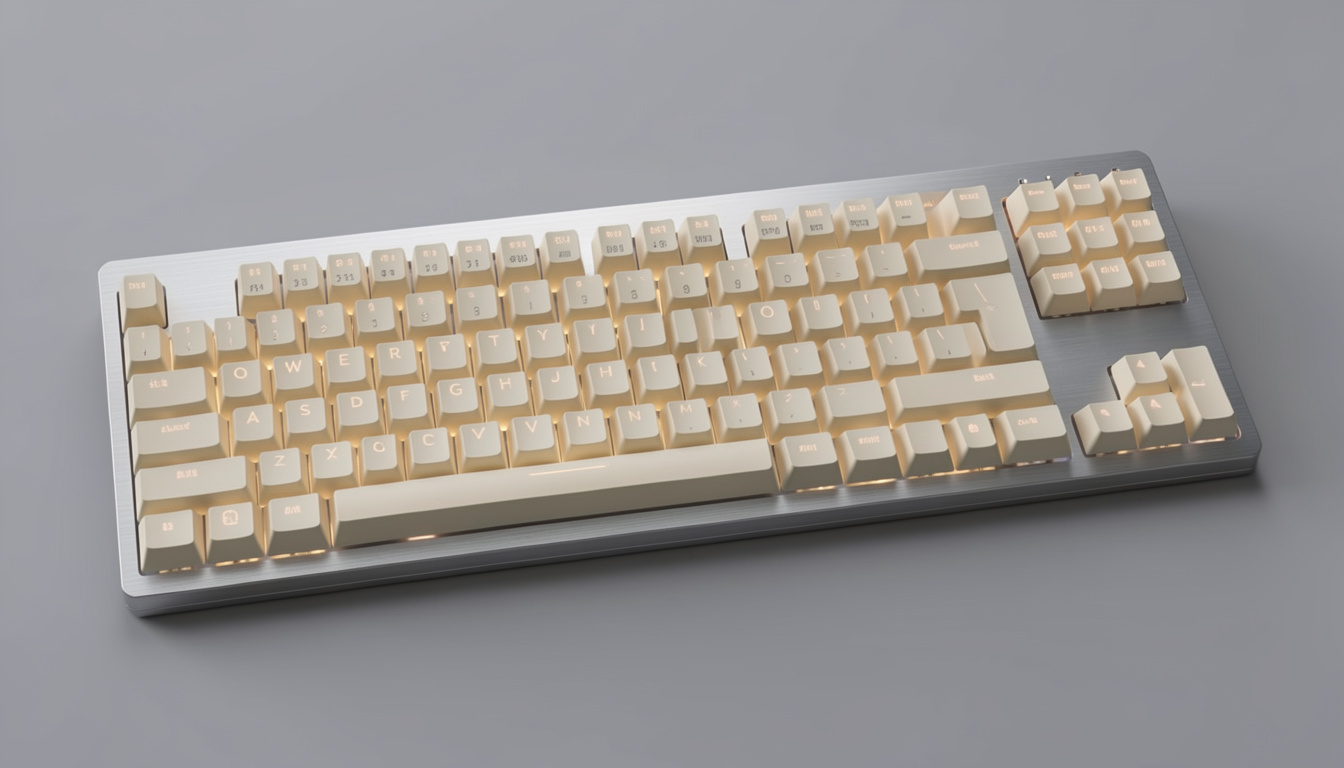
One such example is the misspelling “kibard”, a common error people make when they actually mean “keyboard.” At first glance, it may seem like an insignificant typo—just a slip of the fingers. However, these small errors reflect much larger realities about how humans interact with technology, how digital communication evolves, and how modern systems like autocorrect and search engines handle imperfect input.
Misspellings like “kibard” are not isolated incidents. They are part of a broader digital pattern shaped by speed, multitasking, device limitations, and even psychological factors. Understanding why these errors occur, how they affect communication, and what they mean for search behavior and accessibility provides valuable insight into our relationship with technology.
What Does “Kibard” Mean?
The word is essentially a typographical misspelling of the word “keyboard.” It commonly appears when users type quickly or inaccurately, pressing incorrect keys or skipping letters. Because the misspelling still resembles the intended word phonetically, it often goes unnoticed until corrected by software or reread by the user.
This typo frequently shows up in:
- Google search queries
- Social media posts
- Casual text conversations
- Online forums and comments
- Professional emails and documents
Interestingly, “it” also appears in voice-to-text transcriptions because it sounds similar to “keyboard.” This highlights how misspellings are not limited to physical typing but are also influenced by speech recognition technology.
From a broader perspective, “kibard” represents how digital communication is shaped by imperfection. Humans are not machines, and even in routine actions like typing, small slips are inevitable.
Why Do People Type “Kibard” Instead of “Keyboard”?
Misspellings happen for many reasons, and “kibard” is a perfect example of how multiple factors combine to create errors.
Keyboard Layout and Key Proximity
One major reason typos occur is the physical layout of the keyboard. Most people use the standard QWERTY keyboard, a design created in the typewriter era.
Because many keys are positioned close together, fast typing can easily result in accidental presses. For example:
- “e” and “i” are typed quickly
- Letters may be skipped
- Fingers may drift slightly
Even a tiny movement can produce a misspelling like “it.”
The QWERTY layout was designed to prevent mechanical jams in early typewriters, not to optimize modern typing accuracy. Yet it remains the global standard, contributing to ongoing error patterns.
Speed, Fatigue, and Distraction of Kibard
Typing is often done under pressure. People type quickly when:
- Responding to messages
- Writing under deadlines
- Multitasking between tasks
- Working late hours
Fatigue reduces motor accuracy, making mistakes more common. Distraction plays an equally large role. When attention is divided, the brain cannot fully monitor typing precision.
As a result, a word as familiar as “keyboard” can easily become “kibard” without the typist noticing immediately.
Mobile and Touchscreen Typing Challenges
The rise of smartphones has introduced a new layer of typing difficulty. Touchscreen keyboards lack tactile feedback, meaning users cannot physically feel keys the way they can on mechanical keyboards.
Common mobile typing issues include:
- Small key sizes
- Thumb typing inaccuracies
- Autocorrect interference
- Typing while walking or moving
Because of these factors, misspellings like “kibard” appear even more frequently on mobile devices.
Autocorrect and Predictive Text Issues
Autocorrect is designed to help, but it can sometimes worsen errors. When a system fails to recognize the intended word, it may leave the misspelling unchanged or replace it with something incorrect.
For example:
- “keyboard” becomes “kibard.”
- The system may not detect the typo
- Predictive text might suggest unrelated words
Autocorrect works well for common patterns, but it struggles when context is unclear.
Autocorrect Technology of Kibard: Helper or Hindrance?
It has transformed typing. It provides instant correction suggestions, helping users avoid embarrassing mistakes. Most devices today rely on algorithms that predict intended words based on:
- Common spelling patterns
- User typing history
- Context within the sentence
This makes typing faster and smoother.
However, autocorrect is not perfect.
Benefits of Autocorrect
Autocorrect improves efficiency by:
- Reducing manual corrections
- Preventing frequent typos
- Supporting users with limited typing skills
- Enhancing communication clarity
For many people, it is an essential digital tool.
Limitations and New Errors in Kibard
Autocorrect can introduce errors when it misunderstands context. For example:
- Technical terms may be replaced incorrectly
- Names and slang may be altered
- Specialized vocabulary may be “corrected” into wrong words
Thus, while autocorrect reduces some mistakes, it can create others.
Modern autocorrect systems increasingly use machine learning, adapting to user habits over time. This evolution suggests a future where errors like “kibard” become less frequent—but they will never disappear entirely.
Impact of Misspellings on Digital Communication
Typing errors influence how we communicate online, sometimes in subtle ways and sometimes with major consequences.
Casual Communication Effects
In informal chats, typos are often tolerated. People may even find them humorous. Misspellings like “kibard” rarely disrupt meaning completely.
However, repeated errors can still cause confusion, especially when context is limited.
Professional and Workplace Consequences
In professional settings, typing errors can affect credibility. A misspelled word in an email or report may create impressions of carelessness.
Even minor typos can:
- Undermine authority
- Reduce professionalism
- Lead to misunderstandings
This is why proofreading remains important.
Social Media and Content Engagement
On social platforms, typos can affect reach. Algorithms often prioritize clear and well-written content. Misspellings may reduce discoverability or engagement.
Additionally, users searching for “keyboard” may miss relevant content if they accidentally search for “kibard,” highlighting how spelling impacts information access.
Language Barriers and Accessibility Concerns
For non-native speakers, frequent typos compound communication challenges. Misspellings may make messages harder to understand, increasing digital inequality.
Thus, reducing errors supports more inclusive online communication.
SEO and Search Behavior Implications of “Kibard”
Misspellings are surprisingly important in search engine optimization.
Misspelled Keywords as Search Opportunities
Many users type incorrect spellings into search engines. Optimizing content to include variants like “kibard” can capture additional traffic.
Common related search terms include:
- keyboard misspelling
- typing error
- Why do I type kibard
Including these naturally expands reach.
How Search Engines Handle Misspellings
Google and other engines often recognize intent behind misspelled queries and suggest corrections through “Did you mean?”
However, some misspellings still generate unique search results, meaning content creators can benefit by addressing them directly.
Voice Search and Phonetic Errors
Voice assistants often misinterpret spoken words. Because “kibard” sounds similar to “keyboard,” phonetic errors are common.
Optimizing for such variations helps content remain relevant in the era of voice search.
User Experience (UX) and Accessibility Challenges
Typing errors are not just personal mistakes—they are UX design issues.
Typing Errors as a UX Problem
When users frequently correct mistakes, tasks become slower and more frustrating. This can lead to:
- Abandoned forms
- Incomplete messages
- Reduced productivity
Better predictive typing improves user satisfaction.
Accessibility for Diverse Users of Kibard
People with dyslexia, motor impairments, or cognitive challenges experience higher typo rates. Tools must accommodate these users through:
- Robust spell-check
- Adaptive keyboards
- Speech-to-text improvements
Inclusive design ensures equal access to digital communication.
Psychological and Cognitive Reasons Behind Typos
Typing errors like “kibard” often result from cognitive overload.
When multitasking, the brain divides attention, reducing accuracy. Stress, fatigue, and anxiety further increase mistakes.
Emotional responses to typos include:
- Embarrassment
- Frustration
- Reduced confidence
However, errors can also be learning opportunities. By practicing mindfulness and improving habits, users can reduce mistakes over time.
Historical Evolution of Kibard and Typing Errors
The keyboard’s history shapes today’s typo patterns.
Origins of QWERTY
Invented in the 1860s, QWERTY was designed to prevent typewriter jams, not maximize typing comfort.
Yet it became the dominant global standard.
Digital Transition and New Typing Habits
Modern keyboards evolved from mechanical typewriters to laptops and touchscreen devices. Each shift introduced new error patterns, with mobile typing increasing misspellings significantly.
Future Innovations
Alternative layouts like Dvorak and ergonomic designs aim to reduce errors. AI-powered keyboards may eventually adapt dynamically to user behavior.
Case Studies: Famous Misspellings in Digital Culture
Misspellings sometimes become viral moments.
A famous example is the “covfefe” tweet, showing how typos can spark massive attention. Brands also capitalize on misspellings through typo-based advertising.
Research in natural language processing confirms that misspellings are widespread in digital data, influencing AI training and search behavior.
Practical Tips to Avoid Typos Like “Kibard”
To reduce typing errors:
- Slow down slightly for better accuracy
- Practice touch typing to strengthen muscle memory
- Enable haptic feedback on mobile devices
- Customize autocorrect dictionaries
- Proofread before sending messages
- Take breaks during long typing sessions
- Use advanced predictive keyboard tools
These habits improve clarity and professionalism.
Future of Typing and Error Reduction
The future of typing will likely involve:
- AI-driven context correction
- Personalized keyboard layouts
- Smart ergonomic improvements
- Greater accessibility support
As technology advances, typing errors may decline, but human imperfection will always remain part of digital communication.
Conclusion:
“Kibard” may look like a small spelling mistake, but it represents something much larger: the intersection of human behavior, technology design, communication efficiency, and digital evolution.
By understanding why typos happen, how they affect communication, and what they mean for SEO and accessibility, we gain valuable insight into modern digital life.
As keyboards and input systems continue to evolve, awareness of these challenges helps users build better habits and encourages developers to design more human-centered tools.
Ultimately, even a typo like “kibard” reminds us that technology is shaped not just by machines—but by the people who use them every day.