
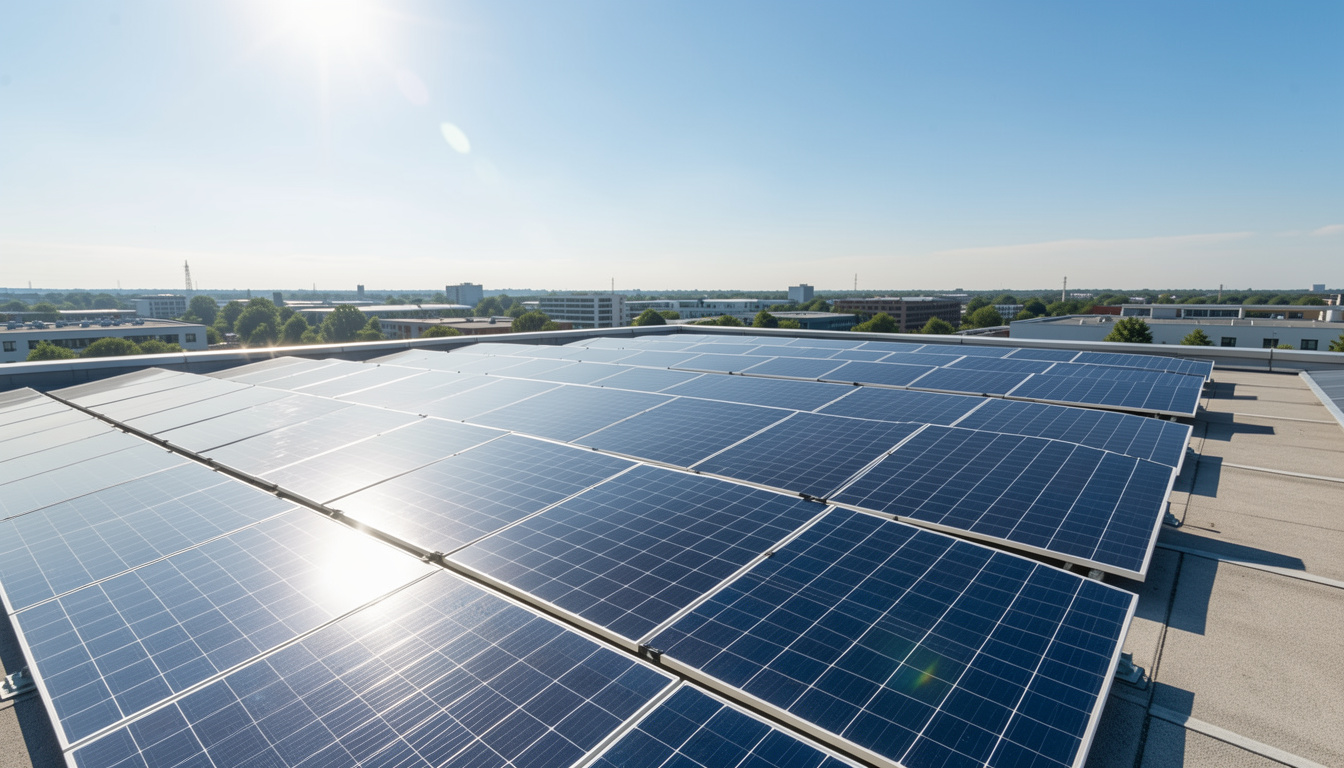
HMS Photovoltaik has transformed the solar energy landscape. Gone are the days when simply installing rooftop panels was enough to achieve savings. Today, homeowners and businesses demand smarter, more efficient, and controllable solar systems that can adapt to complex energy consumption patterns. It combines high-performance photovoltaic panels with intelligent monitoring, hybrid inverters, and energy storage to create a fully integrated, data-driven energy ecosystem.
As renewable energy becomes essential due to rising electricity costs, environmental concerns, and the need for reliable power, it stands out by not just generating electricity, but also managing it intelligently. By optimizing production, storage, and consumption, this smart solar solution ensures maximum efficiency, cost savings, and sustainability.
Understanding HMS Photovoltaik
At its core, it stands for Hybrid Monitoring System combined with Photovoltaic technology. Unlike traditional solar systems that merely convert sunlight into electricity, it is designed as a smart solar ecosystem. This ecosystem integrates:
- High-efficiency solar panels
- Smart or hybrid inverters
- Battery energy storage
- Real-time monitoring platforms
- Grid interaction and optimization software
This approach ensures that energy generation, storage, and consumption are actively managed, rather than left to chance. In simple terms, HMS Photovoltaik is solar energy with a brain—a system that not only produces electricity but also understands how to use, store, and optimize it.
Traditional solar setups often rely on a single central inverter with minimal or no monitoring. In contrast, HMS-enabled systems provide panel-level insights, predictive performance analytics, and seamless integration with energy storage and grid systems.
Why It Matters
Modern energy consumption is more complex than ever. With electric vehicles (EVs), smart home appliances, 24/7 digital devices, and increasing reliance on electricity for daily operations, energy demand has become dynamic and variable.
Several factors make it especially relevant today:
- Rising Electricity Costs: Grid electricity prices are unpredictable and often spike during peak demand periods. Smart solar systems help reduce reliance on the grid and avoid costly energy charges.
- Grid Pressure: Traditional grids are under strain from growing demand and decentralized energy sources. Systems like HMS Photovoltaik help stabilize the grid by managing local energy generation and consumption.
- Environmental Requirements: Governments and organizations are mandating reduced carbon emissions and renewable energy adoption. Smart solar solutions help meet these sustainability targets efficiently.
- User Expectations: Consumers want visibility and control over their energy. They no longer want to guess how much power they’re using or producing—they want data-driven insights and energy independence.
In essence, it is not just about producing solar energy—it’s about actively managing it to meet modern economic, environmental, and practical needs.
Core Components of HMS Photovoltaik Systems
It achieves its intelligent performance through a combination of carefully designed components. Each part plays a specific role in maximizing efficiency and reliability.
Solar Panels
- High-Efficiency Photovoltaic Cells: Most HMS systems use monocrystalline or bifacial solar panels for optimal sunlight conversion.
- Durability: Engineered to withstand harsh weather conditions, including rain, snow, and high winds.
- Primary Role: Panels capture sunlight and generate electrical energy, which powers your home or business while feeding the system’s intelligent management software.
Smart / Hybrid Inverters
- DC-to-AC Conversion: Converts direct current (DC) from the panels into alternating current (AC) for household or commercial use.
- Panel-Level Optimization: Microinverters or hybrid inverters ensure that each panel works independently, so shading or minor panel issues don’t reduce total output.
- Continuous Operation: Even if one panel underperforms, the rest of the system functions efficiently.
Energy Storage Systems of HMS Photovoltaik
- Battery Integration: Stores excess energy for later use, ensuring consistent supply even when the sun isn’t shining.
- Grid Interaction: Allows users to feed energy back to the grid or draw from it during periods of high demand.
- Peak Demand Management: Reduces reliance on expensive grid electricity during peak hours, improving cost efficiency.
Monitoring Platforms
- Real-Time Tracking: Cloud-based dashboards and mobile apps provide instant insights into production, consumption, and system performance.
- Data Visualization: Detailed graphs and analytics help users understand patterns of energy usage.
- Predictive Maintenance: Early alerts on potential faults prevent downtime and minimize repair costs.
Hybrid Energy Management Software
- Data-Driven Decisions: The software analyzes energy consumption, solar output, battery storage, and grid conditions to optimize energy flow automatically.
- AI Integration: Predictive analytics anticipate energy production and consumption patterns for maximum efficiency.
- Smart Home & Industrial Integration: Works seamlessly with home automation systems or business energy management platforms for automated, intelligent control.
How HMS Photovoltaik Works in Real Life
A typical day with it demonstrates the intelligence behind the system:
- Morning: Sunlight hits the panels. The inverter distributes power to home or business appliances while charging the battery.
- Excess Energy: Any unused energy is either stored in batteries or exported to the grid if conditions are favorable.
- Evening/Night: When sunlight diminishes, the system automatically draws energy from the battery.
- User Interaction: Users can monitor production and consumption in real time via a smartphone or tablet.
- Automated Optimization: Energy is directed to areas of greatest need, batteries charge efficiently, and grid export occurs only when beneficial.
This seamless operation ensures energy efficiency, uninterrupted supply, and maximum cost savings.
Key Features of HMS Photovoltaik
Smart Monitoring
- Real-time tracking of energy production and consumption.
- Alerts for faults or maintenance needs before issues escalate.
- Historical performance data for better long-term planning.
Hybrid Compatibility
- Supports grid-tied, off-grid, or mixed configurations.
- Smooth transition during power outages.
- Future-proof design for evolving energy infrastructures.
Scalable and Modular Design of HMS Photovoltaik
- Start with a small system and expand gradually.
- Panels and batteries can be added without major rewiring.
- Cost-effective for long-term energy planning.
Energy Optimization
- Automated energy flow for maximum self-consumption.
- Smart battery charging cycles to reduce energy waste.
- Continuous efficiency improvement based on real-time data.
HMS Photovoltaik vs Traditional Solar Systems
| Aspect | Traditional Solar | HMS |
| Monitoring | Minimal / None | Real-time, smart |
| Energy Control | Limited | Advanced, data-driven |
| Storage | Optional / Basic | Integrated, seamless |
| Scalability | Low | High / Modular |
| User Awareness | Minimal | High, with dashboards and alerts |
It provides superior efficiency, long-term ROI, and reliability by combining real-time monitoring, intelligent control, and energy storage capabilities missing in traditional systems.
Benefits of HMS Photovoltaik
Financial Benefits
- Reduced electricity bills through optimized energy use.
- Increased ROI from efficient self-consumption and grid feed-in.
- Protection from volatile energy prices.
Operational Benefits
- Reliable energy supply during outages.
- Energy independence and control over consumption patterns.
- Predictable performance for homes and businesses.
Environmental Benefits
- Lower carbon footprint through renewable energy adoption.
- Supports cleaner energy mix and broader sustainability goals.
- Contributes to decentralized, resilient energy grids.
Data & Control Benefits
- Real-time insights into energy production, storage, and consumption.
- Early fault detection prevents downtime and expensive repairs.
- Improved user engagement encourages energy-conscious behavior.
Applications and Use Cases of HMS Photovoltaik
It is not a one-size-fits-all solution. Its modular, intelligent design makes it highly adaptable across a range of environments, from urban homes to remote industrial sites. Let’s explore the primary applications and use cases that illustrate its versatility.
Residential Applications
For homeowners, HMS Photovoltaik provides reliable, intelligent energy management while enabling cost savings and sustainability:
- Rooftop Solar Solutions: Custom-designed solar panels maximize rooftop space, optimizing sunlight capture throughout the day.
- Integration with Smart Appliances and EV Chargers: The system can communicate with smart devices, automatically prioritizing energy use for appliances, lighting, and electric vehicle (EV) charging.
- Monitoring and Optimization via Apps: Real-time dashboards allow users to track energy production, consumption, and battery levels from a smartphone, tablet, or computer.
- Backup Power for Daily Reliability: Batteries provide energy during outages or peak-demand periods, ensuring uninterrupted household operations.
These features transform homes from passive consumers of energy into active participants in energy management, lowering utility bills while enhancing sustainability.
Commercial & Industrial Applications
Businesses benefit significantly from HMS Photovoltaik due to its data-driven insights, scalability, and operational flexibility:
- Multi-Site Monitoring: Offices, factories, and warehouses can be monitored across multiple locations, providing centralized control of energy usage.
- Load Analysis and Peak Demand Reduction: Smart inverters and hybrid management software analyze consumption patterns, allowing businesses to shift loads and reduce peak demand costs.
- Sustainability Tracking and Reporting: Data collected by HMS systems enables accurate reporting on energy usage, carbon emissions reduction, and compliance with sustainability initiatives.
- Smart Energy Planning: Integrating solar systems with operational workflows allows companies to optimize energy usage in production processes, office operations, and logistics planning.
In commercial and industrial environments, predictability and efficiency are paramount, and HMS delivers both.
Off-Grid and Remote Locations of HMS Photovoltaik
It is ideal for locations lacking reliable grid infrastructure:
- Rural Electrification and Agricultural Setups: Farmers and rural communities gain access to stable, renewable power for irrigation, storage, and processing.
- Energy Access for Remote Locations: Remote homes, schools, and healthcare facilities can be powered sustainably, eliminating dependency on expensive diesel generators.
- Microgrid Integration and Hybrid Renewable Solutions: Solar panels, batteries, and hybrid inverters can work in combination with wind or other renewable sources to form autonomous microgrids, ensuring consistent energy availability.
By supporting decentralized energy networks, HMS Photovoltaik enables energy independence in areas that were previously underserved.
Installation and Maintenance
Installing HMS is a structured process designed for efficiency, safety, and long-term reliability:
- Site Assessment and Energy Requirement Analysis: Professionals evaluate roof conditions, sunlight exposure, and energy consumption patterns to design the optimal system.
- Hardware Installation: Panels, inverters, and battery systems are installed according to site-specific needs. Modular design allows flexibility for future expansion.
- Software Configuration and Connectivity: Energy management platforms are integrated and connected to the internet for real-time monitoring and analytics.
- Predictive Maintenance: Continuous monitoring enables early detection of potential faults, reducing downtime and maintenance costs.
- Lifespan: Panels and inverters typically last 20–25 years, and periodic software updates further optimize system performance over time.
This combination of hardware longevity and intelligent software ensures users receive long-term value and reliability.
Safety, Certifications, and Compliance
Safety is a key priority for modern solar systems:
- Compliance with International Standards: HMS Photovoltaik solutions meet global electrical and grid regulations, ensuring secure and reliable operation.
- Panel-Level Shutdown Features: Smart inverters can isolate individual panels to reduce fire risk during faults.
- Certified Installers: Professional installation guarantees proper grounding, wiring, and adherence to local electrical codes.
These safety measures ensure that systems are both technologically advanced and operationally secure.
Limitations and Considerations of HMS Photovoltaik
While HMS Photovoltaik offers numerous benefits, potential users should understand its limitations:
- Higher Upfront Cost: Advanced technology and high-quality components increase initial investment compared to basic solar systems.
- Internet Dependency: Full functionality of real-time monitoring and predictive maintenance requires stable internet connectivity.
- Technical Complexity: Installation and configuration are more sophisticated than standard systems and should be handled by experienced professionals.
- Long-Term Perspective: The initial complexity and cost are offset over time by energy savings, enhanced reliability, and system scalability.
For most users, the long-term financial and operational advantages outweigh initial challenges.
Who Should Choose HMS Photovoltaik
It is ideal for users who value control, efficiency, and sustainability:
- Homeowners seeking energy independence, long-term cost savings, and integration with EVs or smart home devices.
- Businesses with high electricity consumption that require operational continuity, sustainability reporting, and intelligent energy management.
- Advanced Users planning hybrid renewable setups or battery storage expansion.
However, small-scale systems with minimal energy requirements may not fully utilize the advanced capabilities.
The Future Vision
The future of HMS Photovoltaik is intertwined with broader trends in energy technology:
- AI and Smart Grid Integration: Predictive analytics and artificial intelligence will further optimize energy flows, balancing solar production, storage, and grid interaction.
- Urban Solar Integration: Building-integrated photovoltaics (BIPV) and energy-positive buildings will make HMS systems part of city infrastructure.
- Decentralized, Data-Driven Systems: Energy production and consumption will become localized, giving users unprecedented control.
- Enhanced Battery Technology: New storage solutions and hybrid setups combining solar, wind, and other renewables will expand system versatility.
It represents the shift from passive energy consumption to intelligent, adaptive energy management.
Conclusion
HMS Photovoltaik is more than a solar installation—it is a smart energy ecosystem. By combining high-efficiency panels, intelligent inverters, battery storage, and real-time monitoring, it transforms solar power from a passive utility into a managed, responsive system.
The benefits are clear:
- Efficiency: Maximized self-consumption and reduced energy waste.
- Transparency and Control: Users see and manage energy in real time.
- Energy Independence: Reduced reliance on the grid and resilience during outages.
- Cost Savings: Optimized energy flow and grid feed-in enhance financial returns.
- Sustainability: Supports environmental goals and contributes to cleaner, decentralized energy networks.
For homeowners, businesses, and communities seeking the next generation of solar energy, it offers a solution that is intelligent, connected, and adaptable—truly representing the future of solar power.