
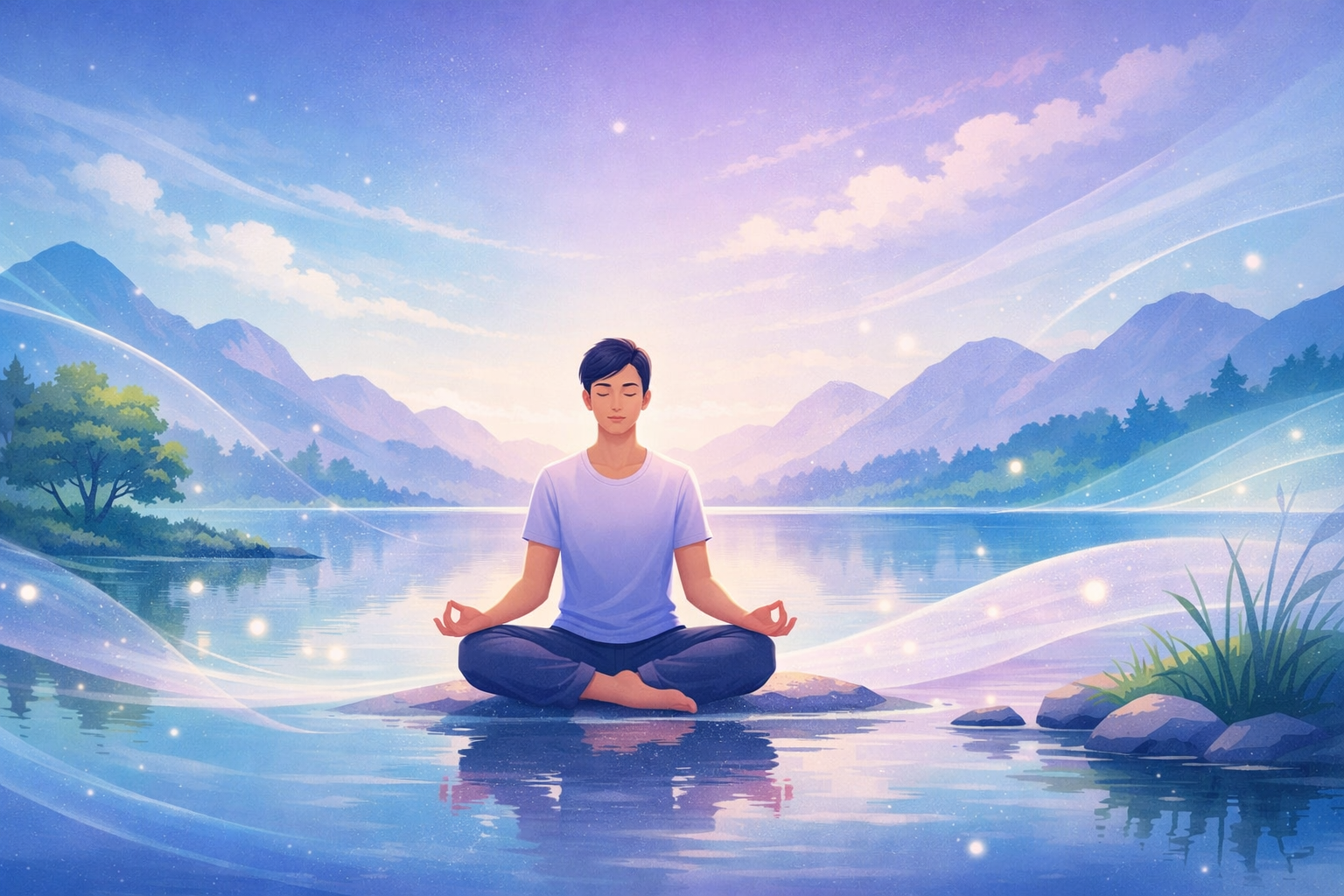
Calmered is an informal term often coined to describe the state of becoming calm. In mindfulness and meditation communities, it signifies profound mental clarity, emotional balance, and inner peace.
The word combines “calm” with a past-tense feel, implying that someone has reached a calmer, more centered state. While not officially recognized in dictionaries, it is used to describe the outcome of effective relaxation and meditation practices.
In practical terms, being means the mind is free from excessive worry or distraction, and the body feels physically and mentally relaxed. It represents the goal of meditation, which goes beyond temporary calm to a sustained mental and emotional balance.
Why Calmered Matters
Achieving a calmer state is crucial in today’s busy world. Chronic stress can lead to mental fatigue, emotional instability, and even physical health issues. Calmered allows individuals to respond to challenges with clarity and composure, rather than reacting impulsively.
Regular meditation and mindfulness practices, which lead to a state, can improve focus, emotional regulation, and overall well-being. In essence, it is a sustainable mental and emotional state that benefits daily life, relationships, and personal productivity.
The Science Behind Calmered
Meditation and mindfulness have been extensively studied, revealing why it is achievable and beneficial:
- Reduction of Stress Hormones: Meditation lowers cortisol, decreasing stress.
- Parasympathetic Activation: Deep breathing triggers the “rest and digest” response, slowing heart rate and promoting relaxation.
- Brain Connectivity: Meditation strengthens brain areas responsible for attention, emotional regulation, and decision-making.
- Mind-Body Relaxation: Mental focus combined with conscious relaxation of muscles promotes overall calm.
Consistent practice encourages a stable state of calm, making the experience of being Calmered both achievable and sustainable.
Meditation Practices to Reach Calmered
Mindfulness Meditation
Mindfulness meditation emphasizes present-moment awareness. Observing thoughts and emotions without judgment reduces mental clutter and promotes lasting calm. This practice develops the mental focus necessary to maintain a state.
Breathing Exercises
Controlled breathing, like deep abdominal breathing or box breathing, stimulates the parasympathetic nervous system. This slows the heart rate and relaxes muscles, creating a physiological sense of calm that supports mental relaxation.
Guided Visualization
Visualization involves imagining peaceful environments, such as forests or beaches, to encourage relaxation. This technique engages the senses and helps the mind disengage from stressors, promoting a deep Calmered state.
Body Scan Meditation
Focusing sequentially on different body parts, noticing tension, and consciously releasing it enhances both physical and mental relaxation. This method helps in releasing residual stress and tension, creating holistic calm.
Loving-Kindness Meditation
Cultivating feelings of compassion for oneself and others reduces emotional reactivity and fosters positive emotional states, supporting sustained calmer experiences.
Benefits and Disadvantages of Calmered
Achieving a calmer state has numerous advantages, but there can be challenges as well. The table below summarizes these points:
| Benefits | Disadvantages / Challenges |
| Reduces stress and anxiety | May require consistent practice to achieve noticeable results |
| Enhances focus and clarity | Beginners might struggle with distractions or racing thoughts |
| Promotes emotional balance | Overthinking meditation can create tension instead of calm |
| Improves sleep quality | Effectiveness can be limited without healthy lifestyle habits |
| Supports long-term resilience | Some may experience mild initial discomfort (restlessness, minor agitation) |
| Lowers blood pressure and relaxes muscles | Results vary based on individual commitment and consistency |
Tips to Achieve a Calmered State
Even though achieving a state is highly rewarding, it requires intentional practice. Consider the following strategies:
- Create a quiet, comfortable environment for meditation.
- Start with short daily sessions and gradually increase duration.
- Use guided meditation apps or recordings for structure and focus.
- Combine meditation with gentle stretching or yoga to enhance relaxation.
- Practice patience and consistency — Calmered develops over time, not instantly.
These small, intentional actions can significantly improve the likelihood of achieving a sustained state.
Calmered in Modern Wellness
In contemporary wellness, Calmered is used conceptually in apps, meditation programs, and wellness content. Digital platforms often guide users step-by-step toward achieving it, while wearable devices track stress levels and suggest relaxation exercises.
Modern wellness emphasizes integrating mindfulness into daily routines, workplaces, and schools, highlighting it as a practical, achievable goal for reducing stress and promoting mental well-being.
Conclusion
It represents the ultimate goal of meditation and mindfulness: a state of mental clarity, emotional balance, and inner peace. Though not a standard English word, it effectively describes the calm, focused, and centered experience that mindfulness practices create.
By incorporating meditation, breathing exercises, visualization, body scans, and loving-kindness practices, anyone can work toward achieving Calmered. With consistency, patience, and mindful practice, it becomes a sustainable state that enhances mental, emotional, and physical well-being in today’s stressful world.
Disclaimer:
The content about Calmered is intended for informational and educational purposes only. It is not a substitute for professional medical or psychological advice. Meditation and mindfulness practices may support relaxation and well-being, but individual experiences vary. Consult a qualified healthcare professional before beginning any new mental health, meditation, or wellness program, especially if you have pre-existing medical or psychological conditions.