
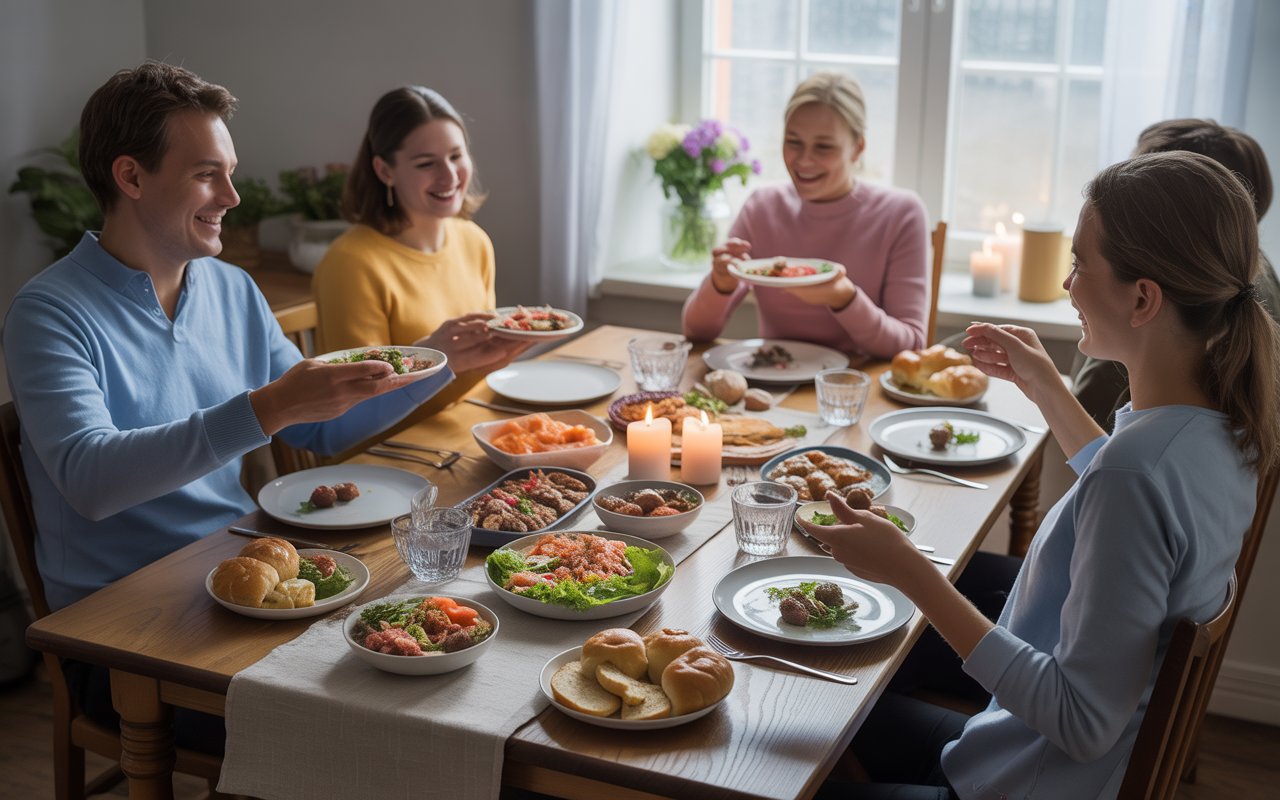
Bjudlunch picture stepping into a room filled with enticing aromas, soft laughter, and a welcoming warmth that instantly makes you feel at home. Now imagine that the meal is free, and everyone present is genuinely eager to connect. This delightful Swedish tradition embodies generosity, community, and human connection.
More than just a shared meal, it encourages cultural exchange, strengthens relationships, and creates lasting memories. Friends, family, colleagues, and even strangers gather around the table, breaking down social barriers and celebrating the simple joy of togetherness. Ultimately, it’s not just about eating—it’s a cherished cultural practice that fosters bonds and spreads kindness.
What is Bjudlunch?
The term (pronounced byood-lunch) literally translates to “invited lunch” or “treat someone to lunch.” But its cultural significance goes far beyond the literal meaning. It embodies:
- Generosity: The host provides food without expecting anything in return.
- Hospitality: It’s about welcoming others warmly and creating a relaxed environment.
- Connection: The focus is on conversation, storytelling, and bonding rather than formal agendas.
Unlike formal business lunches or structured dining events, Bjudlunch is casual and unstructured. Guests gather simply to enjoy each other’s company, making it a uniquely Swedish expression of communal joy.
History and Origin
It has its roots in Sweden, dating back to the early 2000s. Initially, it emerged as a simple solution for busy individuals seeking meaningful social interaction. Friends, family, and colleagues would gather for lunch as a break from hectic schedules, fostering bonds in an informal and welcoming setting.
Over time, it evolved from private get-togethers into larger, community-focused gatherings. This tradition reflects Sweden’s egalitarian and inclusive cultural values, emphasizing equality, sharing, and mutual respect. Today, it’s celebrated both in private homes and public spaces, bridging social and cultural gaps effortlessly.
Core Principles of Bjudlunch
The success of a company lies in four core principles:
- Generosity: Hosts provide meals without expecting anything in return.
- Connection: Conversation and interaction are the main focus.
- Community: Strengthens bonds among friends, family, colleagues, and neighbors.
- Inclusivity: Accommodates dietary needs and celebrates cultural diversity through shared food.
By keeping these principles in mind, every Bjudlunch can become a memorable and heartwarming experience.
How it Works
It operates on simple, flexible guidelines:
- Invitation: Keep it casual, clear, and friendly. A text or email mentioning who is hosting and who will pay is enough.
- Setting: It can take place at home, in the office, at a local park, or even at a pop-up community event.
- Duration: Typically 60–90 minutes, allowing time for relaxed conversation without consuming the entire day.
- Participation: Guests may bring a dish or drinks, adding to the communal spirit.
- Conversation: Encourage storytelling and personal anecdotes. Ask open-ended questions, avoid controversial topics, and let interactions flow naturally.
The beauty of it lies in its simplicity—the meal is just a medium for fostering human connection.
Hosting a Bjudlunch – Step-by-Step Guide
Planning & Etiquette
- Guest List: Keep it small and intimate, ideally 3–6 people, to ensure meaningful conversations.
- Timing: Lunchtime works best, with a relaxed pace for everyone to enjoy.
- Budgeting: Focus on generosity over extravagance; home-cooked meals are highly appreciated.
- Dietary Needs: Check in advance to accommodate preferences or restrictions.
Crafting the Menu
The menu should be seasonal, fresh, and easy to serve. Finger foods, soups, sandwiches, or pastries work well. Here’s a sample seasonal menu:
| Season | Main Dish | Side Dish | Dessert |
| Spring | Lemon & Dill Baked Salmon | New Potato Salad with Radishes | Rhubarb Crumble |
| Summer | Swedish Meatballs with Lingonberry Sauce | Cucumber & Dill Salad | Fresh Berries with Cream |
| Autumn | Chanterelle Mushroom Soup | Rye Bread with Butter | Apple Cake with Cardamom |
| Winter | Pea Soup with Smoked Sausage (Ärtsoppa) | Flatbread with Cheese | Saffron Buns (Lussekatter) |
Setting the Atmosphere
- Create a mysig (cozy) vibe with dim lighting, candles, soft music, and natural decorations like fresh flowers or linen tablecloths.
- Arrange communal seating to encourage interaction and foster conversation.
Encouraging Interaction
- Start conversations naturally with open-ended questions.
- Share personal stories, cultural experiences, and culinary traditions.
- Allow the conversation to flow organically; the meal is a backdrop for meaningful connections.
Benefits of Bjudlunch
It is more than just a free meal—it’s a multifaceted tradition that enriches social, cultural, professional, and personal life.
Social Benefits
It naturally fosters human connection. Sharing food in a relaxed setting, it builds friendships, strengthens community ties, and reduces social barriers. Whether between colleagues, neighbors, or acquaintances, a shared meal encourages conversation and creates a sense of belonging.
Cultural Benefits
Each Bjudlunch becomes a small cultural exchange. Participants bring diverse dishes reflecting regional flavors, family recipes, or personal culinary creativity. This practice promotes storytelling, cultural appreciation, and culinary exploration, allowing guests to experience tastes and traditions from across the globe.
Professional Benefits
In the workplace, it is a powerful tool for fostering collaboration and psychological safety. Informal lunches break down hierarchical barriers, making it easier for team members to communicate openly. Regular gatherings can improve morale, encourage idea-sharing, and enhance overall productivity by building trust among colleagues.
Personal Benefits
On an individual level, it encourages kindness, mindfulness, and generosity. Hosting or attending such events cultivates empathy and a sense of well-being. The act of giving without expectation, listening actively, and engaging in meaningful conversation nurtures personal growth and emotional connection.
Bjudlunch vs. Other Meals
To fully appreciate it, it helps to compare it to other common social meal formats:
| Feature | Bjudlunch | Business Lunch | Fika | Potluck |
| Purpose | Connection & community | Agenda & decisions | Quick, casual break | Shared contribution |
| Atmosphere | Relaxed & informal | Formal & structured | Casual | Collaborative |
| Cost | Host pays | Expensed/split | Self-pay | Everyone contributes |
| Duration | 60–90 min | 45–60 min | 15–30 min | Several hours |
| Social Script | Conversation-focused | Outcome-focused | Break-focused | Sharing-focused |
Unlike business lunches or fika, it emphasizes genuine interaction, inclusivity, and a sense of community over rigid structure or efficiency.
Modern Applications of Bjudlunch
It has evolved into a versatile tradition, relevant in workplaces, sustainability efforts, and broader community initiatives.
Workplace
- Breaks down hierarchies and encourages open communication.
- Welcomes new team members, helping them feel included and valued.
- Promotes psychological safety, which is essential for collaboration and innovation.
Sustainability of Bjudlunch
- Focus on seasonal, locally-sourced ingredients aligns with mindful living.
- Supports local farmers and reduces carbon footprint by avoiding processed or imported foods.
- Encourages conversation about food origins, mindful consumption, and sustainability practices.
Community
- Facilitates neighborhood gatherings, pop-up events, and cultural exchange.
- Integrates charity work by donating surplus food or hosting inclusive events for those in need.
- Strengthens local connections, fostering a sense of belonging and mutual support.
Success Stories and Global Expansion
Bjudlunch has made a lasting impact both in Sweden and internationally:
- Sweden: Stockholm and Gothenburg have hosted events that bond communities and link to charitable initiatives.
- Finland: Neighborhoods host weekly shared lunches, strengthening local ties.
- UK & Canada: Pop-up gatherings introduce diverse cuisines and cross-cultural connections.
- Australia: Beachside casual lunches blend community bonding with leisure.
The essence of Bjudlunch—connection, generosity, and cultural exchange—remains consistent worldwide, proving its universal appeal.
Tips for a Successful Bjudlunch
- Keep it simple and heartfelt: Focus on meaningful interactions, not lavish meals.
- Prioritize inclusivity and dietary needs: Ensure everyone feels comfortable and welcome.
- Focus on conversation and connection: The food is the medium; relationships are the goal.
- Encourage participation: Guests can bring a dish if they want, but it’s not mandatory.
- Promote the event wisely: Use social media or community boards to attract participants.
Conclusion
It embodies the spirit of community, generosity, and belonging. It acts as a tool for:
- Social bonding: Creating friendships and connecting diverse groups.
- Cultural exchange: Sharing stories, traditions, and culinary experiences.
- Workplace cohesion: Breaking down hierarchies and fostering collaboration.
In a fast-paced world, Bjudlunch reminds us to slow down, share, and nurture relationships. It encourages kindness, shared experiences, and mindful living. By hosting or participating, individuals can embrace a tradition that celebrates not just food, but humanity itself.
It proves that the simplest acts—a shared meal and genuine conversation—can have the most profound impact.